
Comprehensive Industrial Guide
Introduction to Crushed Gypsum Stone
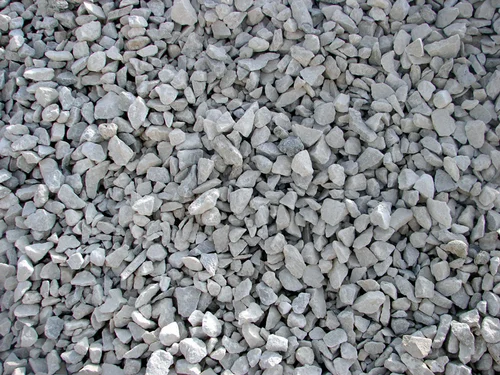
Crushed gypsum stone is a naturally occurring mineral primarily composed of calcium sulfate dihydrate (CaSO₄·2H₂O). It is extracted from gypsum deposits and then processed into specific size fractions such as 0–40 mm, 10–40 mm, and 50–150 mm, making it suitable for a wide range of industrial applications.
Gypsum stone is widely used in construction, cement production, drywall manufacturing, and other industrial sectors due to its chemical properties, ease of processing, and versatility.
Chemical Composition & Mineralogy
The primary chemical component of gypsum stone is Calcium Sulfate Dihydrate with the formula CaSO₄·2H₂O. The mineral typically contains:
- Calcium Oxide (CaO)
- Sulfur Trioxide (SO₃)
- Bound water (H₂O)
- Minor impurities of silica (SiO₂), iron oxides (Fe₂O₃), and clay minerals
Purity levels vary based on the deposit and extraction method. Commercial gypsum stones are often classified by their purity range, which directly influences industrial usage and performance:
- 80% purity – suitable for general industrial uses
- 90% purity and above – preferred for specialized applications and high-quality raw material requirements
Common Industrial Names of Gypsum Stone
In the industry, crushed gypsum stone may be referred to as:
✔ Gypsum rock
✔ Gypsum lump
✔ Natural gypsum
✔ Gypsum aggregate
✔ Calcium sulfate mineral
✔ Sometimes trade or local names depending on region and quality
These various names represent the same calcium sulfate-based raw material but may differ by size, purity, and specific industrial context.
Size Fractions & Specifications
Crushed gypsum stone is typically offered in the following industrial size grades, which influence handling, processing, and use:
| Size Grade | Typical Use |
|---|---|
| 0–40 mm | General industry use, feedstock for gypsum processing plants |
| 10–40 mm | Standard industrial crushing size, optimized for consistent processing |
| 50–150 mm | Large aggregate for heavy-duty processes and specific raw material applications |
These size classifications ensure that the feed material meets production requirements for different downstream applications, allowing segregation by size and uniform supply.
Analysis Standards & Typical Parameters
Industrial users require gypsum stone meeting certain quality standards to ensure predictable processing performance. A typical industrial-grade crushed gypsum material should have the following analytical characteristics:
Typical Chemical Analysis Range
| Component | Expected Range (%) |
|---|---|
| Calcium Sulfate Dihydrate (CaSO₄·2H₂O) | 80% – 98% |
| Moisture (H₂O bound) | Approx. 20%–21% of molecular water (in raw gypsum) |
| Impurities (SiO₂, Fe₂O₃, clay minerals) | Varies depending on deposit but minimized in high-grade material |
| Values depend on mining source and are verified via lab analysis. |
Purity level directly affects performance in processing, strength development, hydration behavior, and color quality.
Industrial Applications
Crushed gypsum stone is used in multiple heavy industries due to its chemical properties and physical form:
1. Cement Production
Gypsum stone is used as a set regulator and structural modifier in cement. Adding controlled amounts of gypsum when grinding clinker and raw materials can regulate setting time and improve workability in the final cement product.
2. Drywall & Plasterboard Manufacturing
Gypsum stone is a primary raw feed for manufacturing gypsum boards used in interior walls, ceilings, and partition systems. Quality, purity, and consistency are critical for board strength and finish quality.
3. Construction Materials
Used as feedstock for gypsum plasters, undercoats, and finishing plasters in buildings, ensuring smooth workability and strong adhesion.
4. Agriculture & Soil Improvement
In agricultural sectors, gypsum mineral improves soil structure, reduces salinity, and provides both calcium and sulfur nutrients for crops.
5. Specialty Industrial Uses
Crushed gypsum stone may be used in ceramics, glass manufacturing, and chemical processes where calcium sulfate functions as a source of calcium or sulfur.
Physical & Processing Benefits
Crushed gypsum stone features:
✔ Good workability due to calcium sulfate nature
✔ Consistent size distribution aiding uniform processing
✔ Clean chemical profile with controlled impurities
✔ High yield per ton due to efficient crushing and sorting
✔ Natural hydration properties useful in binding and shaping processes
Quality Verification & Laboratory Analysis
Industrial users of crushed gypsum stone typically perform:
- X-ray Fluorescence (XRF) for elemental composition
- Moisture and bound water analysis
- Physical size distribution checks (sieving)
- Impurity profiling
Laboratory results allow manufacturers to ensure feedstock meets production consistency, chemomechanical performance, and product quality benchmarks.
Concluding Summary
Crushed gypsum stone with sizes 0–40 mm, 10–40 mm, and 50–150 mm and purity grades from 80% to over 90% is a versatile industrial mineral. It is essential in cement manufacturing, drywall production, construction materials, soil amendment, and specialty industries. The combination of chemical purity, physical size control, and global standard analysis makes it a reliable, high-performance raw material for industrial users.